Who Does Undercoating Near Me? Local Options
Who does undercoating near me usually means one of three providers: auto body shops, mobile undercoating services, and franchise rustproofing networks. The right fit depends on vehicle access, the coating type, and turnaround. Mobile crews often finish in 1.5 to 3 hours, while specialist shops like New England Rust Defenders add restoration steps.
Key Takeaways
- Three provider types handle undercoating: auto body shops, mobile undercoating services, and franchise rustproofing networks.
- Mobile undercoating services usually complete on-site application in 1.5 to 3 hours.
- NH Oil is an oil-based undercoating that creeps into tight spaces and self-heals when scratched.
- Boss Wax & Oil is a wax coating for the rust-free undercarriage of new vehicles, backed by a transferable warranty.
- Oil-based systems typically need annual recoating, while some harder coatings last several years.
What Is Undercoating?
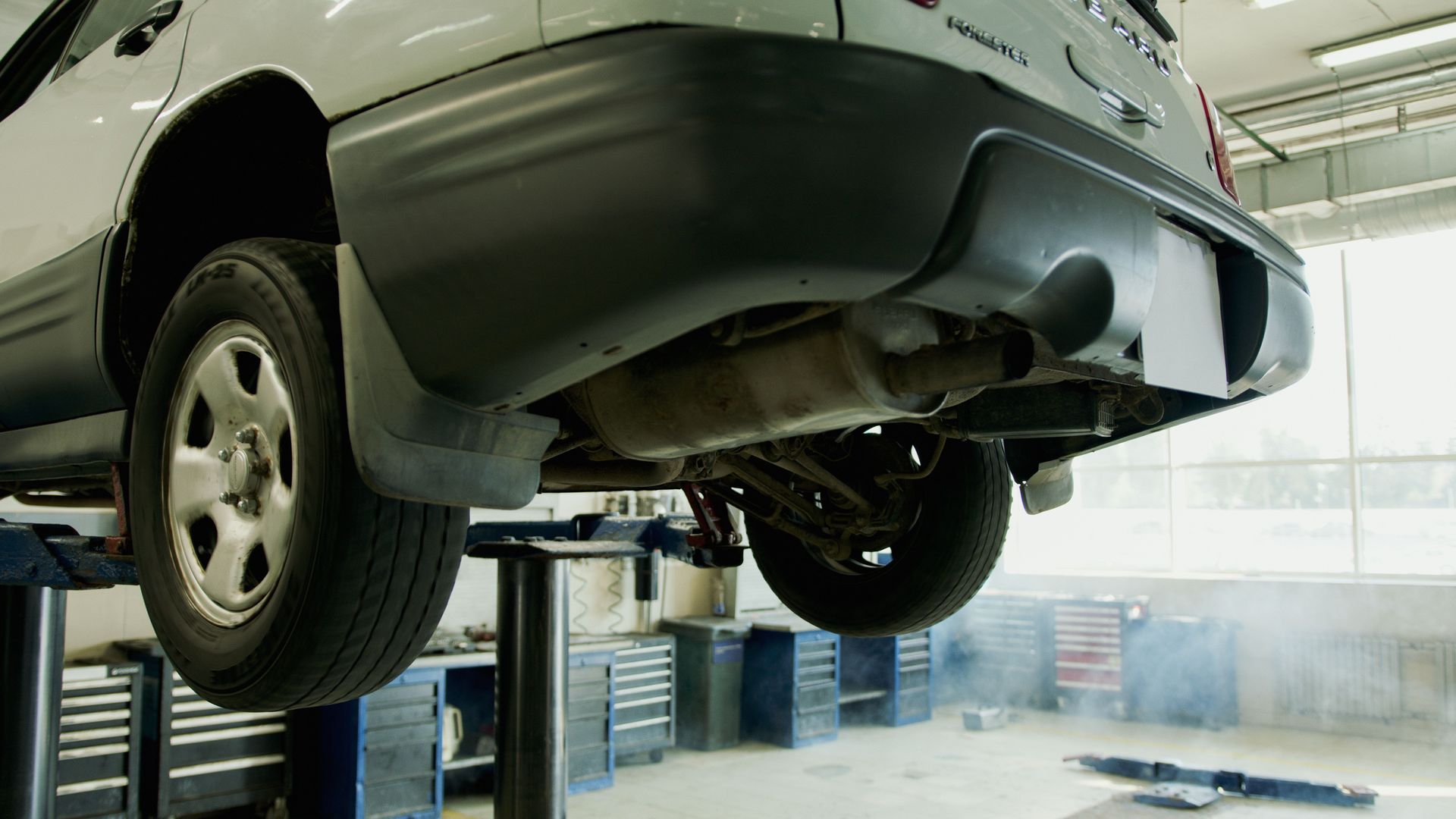
Undercoating is a protective layer applied to the chassis and undercarriage that shields the frame, brake lines, and suspension from moisture, salt, and debris. The undercarriage takes the brunt of harsh conditions because winter road salt accelerates rust and corrosion on bare metal, and undercoating creates a barrier that slows that damage before it spreads. The barrier matters most in salt regions where the undercarriage gets direct spray from slush, salted water, and road grit. A proper coating lowers the chance of early rust on structural parts. Drivers weighing the tradeoffs can review
the pros and cons of undercoating before booking a service.
Who Does Undercoating Near Me?
Undercoating near you is typically handled by three types of providers. The right choice depends on the vehicle, the coating, and whether the vehicle needs preparation or restoration before application.
- Auto body shops: Best for vehicles that need rust repair, surface preparation, or restoration alongside undercoating. They use specialized spray equipment and can mask sensitive components such as exhaust systems.
- Mobile undercoating services: Best for drivers who value convenience. Technicians bring the equipment and materials to a home or workplace instead of requiring the vehicle to visit a fixed shop.
- Franchise rustproofing networks: Best for owners who want standardized packages and predictable turnaround across multiple locations.
When comparing local providers, look for a shop that clearly lists its coating types, explains how the product is applied, and provides pricing based on vehicle size and service scope. Local reviews and a written service explanation can also help identify a provider familiar with regional road-salt conditions.
New England Rust Defenders in East Bridgewater, MA, sits in the specialist category, performing undercoating and Rustoration® for vehicles exposed to New England's harsh winter conditions.
Expert Insights:
"The right provider is the one that matches the coating to the vehicle and the climate, because a garage-kept show car and a daily-driven winter truck do not need the same treatment." - New England Rust Defenders Team
What Undercoating Types Do Local Shops Offer?
Local shops usually offer three undercoating types: oil-based, wax-based, and rubberized. Each product balances finish, durability, and moisture management differently, so the right choice depends on the vehicle, the climate, and the owner's maintenance preference.
Oil-based undercoating, including NH Oil, creeps into crevices, helps displace moisture, and remains flexible when scratched, which helps in road-salt conditions. Wax-based undercoating gives a harder, cleaner finish, and New England Rust Defenders offers Boss Wax & Oil along with hybrid wax treatments. Rubberized undercoating creates a thick, sound-dampening layer, but cracks can trap moisture and hide rust.
| Type | Main Use | Main Benefit | Main Risk |
|---|---|---|---|
| Oil-based | NH Oil | Penetrates tight spaces and displaces moisture | Needs annual maintenance |
| Wax-based | Boss Wax & Oil | Harder, cleaner finish | New-vehicle, rust-free application only |
| Rubberized | Rubberized coating | Thick, sound-dampening layer | Can trap moisture if it cracks |
How Long Does Undercoating Last?
Undercoating longevity ranges from annual recoating for oil-based systems to several years for harder coatings, depending on product, road conditions, and upkeep. Oil-based undercoating usually needs the most maintenance because annual recoating keeps its corrosion inhibitor active. Wax-based coatings last longer when the application is even, and the layer stays intact. Vehicle use also changes the outcome, since a truck driven on salted roads needs more frequent inspection than a garage-kept car, and heavy winter exposure shortens service life across most systems.
What Does Undercoating Protect Against?
Undercoating protects the undercarriage from the main contaminants and conditions that accelerate rust:
- Road salt: Speeds the corrosion process when it reaches exposed metal.
- Moisture: Keeps steel wet and creates conditions for oxidation.
- Slush and road spray: Carry salt and water directly onto the undercarriage.
- Road debris: Can damage exposed surfaces and wear protective coatings.
- Environmental contaminants: Can remain on the undercarriage and contribute to corrosion when the coating is worn.
The biggest gain is barrier protection: the coating reduces direct contact between contaminants and the metal substrate while the protective layer remains intact. Owners who want the full breakdown of how each coating stops corrosion can read
our guide on undercoating for rust protection.
How Does Mobile Undercoating Work?
Mobile undercoating brings professional spray application to a home or workplace, with most jobs finishing in 1.5 to 3 hours. Convenience is the main difference from a fixed-location shop, though a mobile service still uses professional-grade application methods. Technicians bring spray equipment and materials to the vehicle instead of moving the vehicle to a bay. That model fits busy drivers and fleet owners while reducing downtime for trucks and SUVs, and the work still requires clear access to the undercarriage and careful masking near sensitive components.
| Factor | Mobile Undercoating | Shop-based Undercoating |
|---|---|---|
| Location | At a home or workplace | Fixed service bay |
| Typical time | 1.5 to 3 hours | Varies, may include prep and restoration |
| Best for | Busy drivers and fleets | Vehicles needing Rustoration® or heavy prep |
How Do Undercoating and Rustproofing Compare?
Undercoating focuses on the chassis and undercarriage, while rustproofing often treats internal cavities, so the main difference is where the protection goes. Both services prevent rust and corrosion, but undercoating shields the visible underside and rustproofing reaches hidden panels. The service scope should match the vehicle's exposure and storage conditions, and many winter-driven vehicles need both layers. Owners comparing coatings by exposure level can read our guide on best undercoating.
| Service | Target Areas | Main Goal |
|---|---|---|
| Undercoating | Undercarriage, frame, brake lines, suspension | Block moisture, salt, and debris |
| Rustproofing | Door panels, frame rails, internal cavities | Prevent hidden oxidation and corrosion |
What to Check Before Choosing an Undercoating Shop
Before choosing a shop, check four things:
- Application method: Professional application should use specialized spray equipment and provide thorough coverage while avoiding sensitive components such as exhaust systems.
- Product options: A good shop should explain whether oil-based, wax-based, or rubberized coatings are appropriate for the vehicle.
- Pricing: Pricing usually scales with vehicle size and service scope, so a compact car and a heavy-duty truck rarely cost the same.
- Maintenance plan: Ask whether the coating requires annual inspection or recoating, particularly if the vehicle is driven through winter road salt.
New England Rust Defenders is a local specialist in East Bridgewater, MA. A winter driver may value annual recoating, while a new-vehicle owner may prefer a cleaner wax finish and a written service explanation.
What to Do Next
Send New England Rust Defenders 2-3 photos of your current vehicle, including the undercarriage and any bubbling paint, to get a coating recommendation and a detailed quote matched to the vehicle and the climate.
Undercoating service in East Bridgewater, MA, covers oil-based NH Oil treatment, wax-based Boss Wax & Oil for new vehicles, and Rustoration® for cars that have already rusted..
Frequently Asked Questions
About New England Rust Defenders
The New England Rust Defenders Team is a Service-Disabled Veteran-Owned Certified vehicle-protection shop in East Bridgewater, MA. The team specializes in car rust repair, frame assessment, patch-panel work, and annual undercoating with NH Oil and Boss Wax & Oil.
Last updated: August 2026
You might also like