Vehicle Undercoating Pros And Cons: What Drivers Should Know Before Applying
Rust can cost vehicle owners thousands in repairs over a car's lifetime. If you drive in a region with snow, road salt, or gravel roads, vehicle undercoating can offer essential protection. In this guide,
New England Rust Defenders explains the
pros and cons of vehicle undercoating, compares popular coating types, and demonstrates how long each option lasts in real-world conditions.
Key Takeaways
- Undercoating protects the underbody from rust, salt, and moisture
- Main benefits include corrosion resistance, noise reduction, and resale value
- Common drawbacks include reapplication needs and DIY risks
- There are five main types of undercoating: rubberized, asphalt-based, oil-based, polyurethane, and wax-based, each with unique pros, cons, and lifespans
- Undercoating is most effective when applied before winter or on clean, rust-free metal
What Is Vehicle Undercoating?
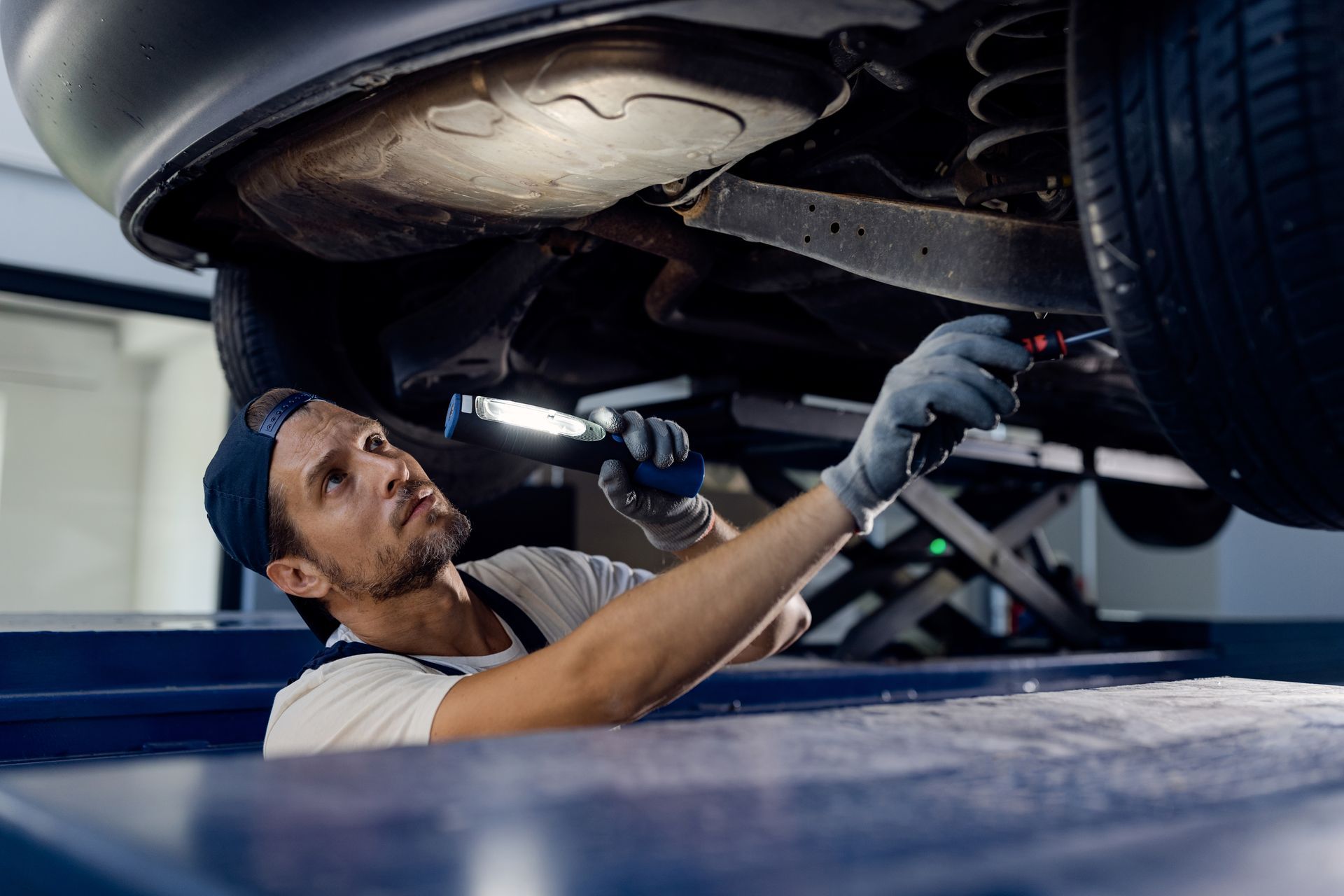
Vehicle undercoating is a spray-on barrier applied to the underbody and metal components of a vehicle, such as a car or truck. It helps prevent rust by blocking moisture, salt, and oxygen from reaching exposed steel. Depending on the formula, undercoating can form a flexible film, hard sealant, or penetrative oil layer.
Why Drivers Consider Undercoating
Drivers in cold, salt-prone, or off-road regions often consider undercoating as a preventive step against rust. Road salt and winter moisture accelerate corrosion, especially on exposed underbodies.
Understanding the vehicle undercoating pros and cons helps drivers decide if
undercoating is worth it for the right long-term protection for their climate and driving habits.
Vehicle Undercoating Pros
Rust And Corrosion Protection
Undercoating forms a sealed membrane over metal surfaces, preventing salt and moisture from initiating oxidation. This is especially important in northern states where road salt is a constant threat.
Reduced Road Noise
Rubberised undercoating contains sound-dampening polymers. These polymers absorb vibrations from the road and tyre contact. A thicker layer increases acoustic insulation, especially on older vehicles with exposed wheel arches.
Extended Vehicle Lifespan And Resale Value
A protected undercarriage resists rust that could affect suspension mounts, brake lines, and structural crossmembers. Buyers often pay more for vehicles with documented rust protection.
DIY Options Available
Brush-on and oil-based sprays are accessible to DIYers. These are ideal for touch-ups, budget-conscious drivers, or seasonal upkeep.
Vehicle Undercoating Pros
Frequent Reapplication For Oil-Based Coatings
Oil-based coatings require annual reapplication, especially in wet or snowy climates. Over time, they may drip or wash away.
Moisture Trapping Risk
Improper surface prep can trap moisture beneath the coating, accelerating rather than preventing corrosion. This is why professional cleaning and application are highly recommended.
Mess And Overspray from DIY Kits
Inexperienced DIY applications can result in overspray on sensitive parts like exhausts or brakes, leading to reduced durability and cleanup hassles.
Types Of Undercoating With Pros & Cons
Here’s a detailed comparison of the main types of vehicle undercoating, along with the pros and cons of undercoating a vehicle.
| Type | Description | Pros | Cons | Longevity |
|---|---|---|---|---|
| Rubberized Undercoating | Thick polymer blend | Strong moisture barrier, sound insulation | Hard to remove | 3–5 years |
| Asphalt-Based Undercoating | Heavy-duty truck formula | Ideal for off-road and winter salt | Long curing time | 4–6 years |
| Oil-Based Undercoating | Penetrating rust inhibitor | Self-healing reaches seams | Requires annual reapplication | 1 year |
| Polyurethane Undercoating | Hard protective shell | Resists chemicals and abrasion | Less flexible | 2–4 years |
| Wax-Based Undercoating | Semi-hard wax film | Affordable, moderate protection | Limited durability | 1–2 years |
Conclusion: Each undercoating type offers different benefits depending on climate, vehicle use, and maintenance habits. For long-term durability in harsh conditions, rubberized and asphalt-based coatings remain the top choices.
How Long Does Undercoating Last?
The lifespan of undercoating depends on the type of formula used, local climate, and how often the vehicle is washed. In dry regions, coatings can last longer than average. However, in northern states with heavy salt use, durability may drop by 20–30% due to frequent freeze–thaw cycles and chemical exposure.
Tip: Regularly rinsing the undercarriage, especially during winter, helps extend the protection of any undercar coating.
Book Vehicle Undercoating Service Near Me
Looking for reliable rust protection near me?
New England Rust Defenders offers expert
car undercoating in East Bridgewater, MA, tailored to New England’s harsh winters.
Schedule your undercoating today and extend your car’s lifespan through every season.
FAQs
You might also like