Is Undercoating Worth It? Full Guide To Cost, Benefits & Longevity
Rust repairs can cost thousands and ruin your car’s frame. Many drivers wonder,
“is undercoating worth it?” for lasting protection. In this guide,
New England Rust Defenders
explains how undercoating works, its cost, and why professional vehicle undercoating is a smart investment for long-term savings.
Key Takeaways
- Undercoating protects the undercarriage from rust, corrosion, salt, and moisture.
- Most undercoating types last one to five years based on use and care.
- Undercoating is worth it for rust prevention, quiet rides, and a better resale value.
- Rust proofing covers inner panels while undercoating shields the exterior frame.
- Average cost ranges from $250 to $1,000 and helps avoid expensive rust repairs.
What Is Undercoating On A Car?
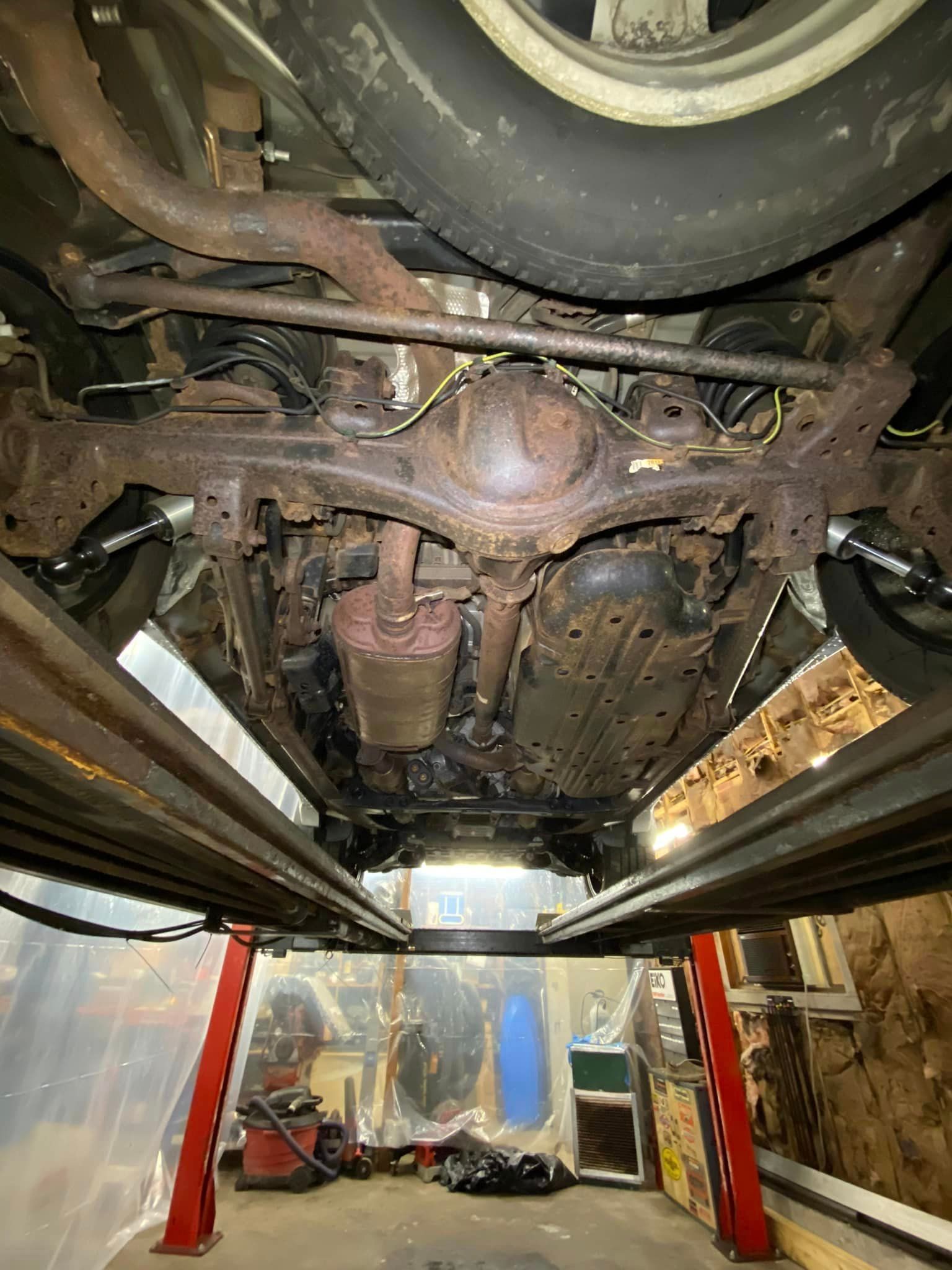
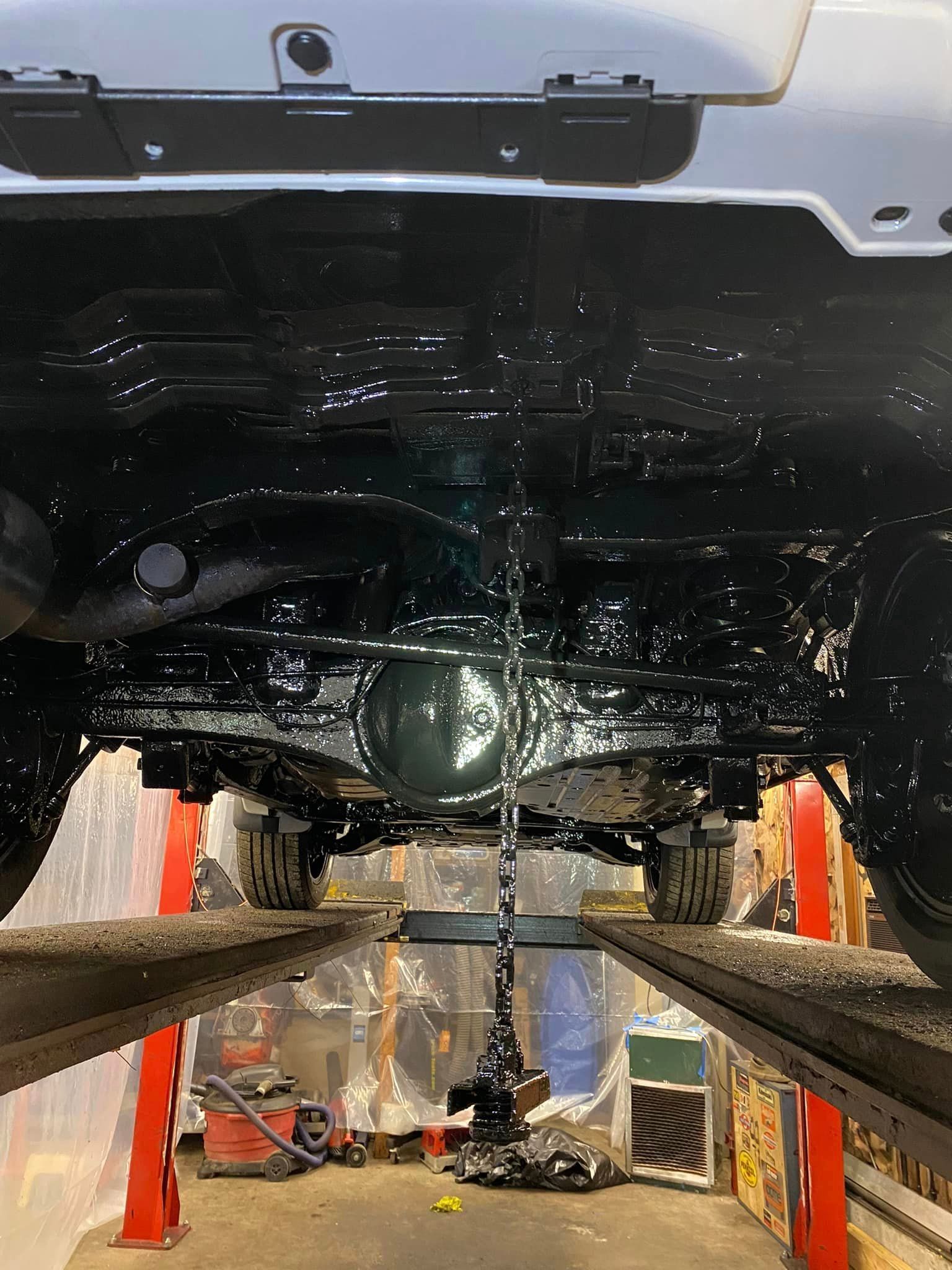
Car undercoating is a protective layer sprayed on the undercarriage, wheel wells, and chassis to prevent salt, dirt, and moisture from penetrating. This barrier stops metal oxidation that harms the suspension, frame, and exhaust system, which are most exposed to rust damage.
Most undercoating materials are rubberized or oil-based to provide additional strength and flexibility. When professionally applied and inspected yearly, undercoating forms a corrosion-resistant seal that extends the vehicle’s life.
Types Of Undercoating & Their Longevity
Every type of undercoat for vehicles will provide a different level of durability and protection. Choosing the right option depends on driving habits and climate conditions.
| Undercoating Type | Best For | Longevity | Key Benefits |
|---|---|---|---|
| Rubberized | Daily drivers, colder climates | 3–5 years | Flexible, dampens noise, resists salt and debris |
| Oil-Based | Older cars or vehicles with minor rust | 1–2 years | Penetrates seams, repels moisture, and is easy to reapply |
| Asphalt-Based | Trucks, off-road, or fleet vehicles | 4–5 years | Heavy-duty, protects against impact and corrosion |
| Polyurethane | Newer vehicles | 3–4 years | Bonds tightly to clean metal, fast-drying |
| Wax-Based | Warm climates, low-exposure areas | 2–3 years | Smooth finish, strong water resistance |
Conclusion: Each option’s undercoating lifespan varies by maintenance, weather, and road conditions. In salt-heavy regions like Massachusetts, a mid-range rubberized or asphalt-based formula offers the best long-term value
Is Undercoating Worth It?
Is car undercoating worth it? The answer is yes, especially for drivers facing snow, salt, or coastal humidity. Below are key reasons why undercoating a car is worth the investment for both new and older vehicles.
Rust & Corrosion Protection
Undercoating provides a barrier against moisture and salt to the metallic chassis. The barrier prevents oxidation, slows down rusting, and thus strengthens the undercarriage. Early application means maximum corrosion resistance.
Road Noise Reduction
Rubberized undercoating absorbs road noise and reduces vibration. This layer will also keep the cabin quieter and improve driving comfort.
Vehicle Resale Value
A rust-free frame boosts buyer confidence and preserves vehicle appearance. Professional undercoating maintains structure and supports higher resale value.
Extended Vehicle Lifespan
Less corrosion reduces wear on suspension, brake lines, and exhaust parts. Regular undercoating extends vehicle life and lowers repair costs.
Will Undercoating Stop Rust Completely?
Undercoating
prevents up to 95% of new rust formation when applied to clean surfaces, but it cannot reverse existing corrosion. For best results, any rust spots must be cleaned, sanded, and treated before application. Once sealed, undercoating for vehicles blocks further moisture and keeps the frame rust-free longer.
Undercoating Vs. Rust Proofing – Which Is Better?
Both provide rust protection but differ in how and where they work. Here’s a quick breakdown:
| Feature | Undercoating | Rust Proofing |
|---|---|---|
| Coverage | Exterior frame, wheel wells, underbody | Inside doors, rocker panels, seams |
| Durability | 2–5 years, depending on the product | 1–2 years |
| Best For | New or daily-driven vehicles | Older or restored vehicles |
| Goal | Defend against salt, moisture, and debris | Stop interior rust from spreading |
Conclusion: Combining both methods gives complete protection. Drivers in snow-prone regions gain the best results from annual undercoating paired with interior rust-proofing for full corrosion defense.
How Much Does Undercoating Cost?
The cost of undercoating varies by service type and vehicle size:
- Dealerships: $800–$1,000 for high-end coating with a warranty.
- Auto Shops: $250–$400 for professional prep and spray coverage.
- DIY Kits: $100–$150 for basic protection but limited longevity.
Spending on undercoating for cars saves thousands in future rust repairs and helps maintain vehicle value. If you live in Massachusetts or another salt-prone state, annual inspections are recommended before each winter season.
Extra Ways To Prevent Rust On Your Car
To extend protection and reduce corrosion risk, follow these tips:
- Wash the undercarriage regularly during winter.
- Repair paint chips and scratches quickly.
- Store your car in a dry garage or covered area.
- Avoid standing water and heavy salt buildup.
- Get yearly undercoating inspections by a professional.
These habits strengthen your vehicle’s underbody defense and ensure the undercoat lasts longer.
Pro tip: If your vehicle often drives on gravel or salted roads, consider combining undercoating with ceramic or zinc-based surface treatments for added resistance.
Book Car Undercoating Service Near Me
Looking to protect your car before winter? Schedule a car undercoating in East Bridgewater, MA with New England Rust Defenders today. Contact us or call to book a trusted undercoating near me service for year-round protection.
FAQs
You might also like