Undercoat for Vehicles: A Complete Guide
Undercoat for vehicles is a protective coating applied to the underbody to help reduce exposure to moisture, road salt, and other corrosive materials. Oil-based and wax-based products work differently, so the appropriate option depends on the vehicle's condition, driving environment, and maintenance needs. This guide explains how vehicle undercoating works, the available types, typical costs, application process, and maintenance schedule.
Key Takeaways
- Vehicle undercoating helps protect underbody metal from moisture, road salt, dirt, and other corrosive contaminants.
- Oil-based and wax-based undercoatings differ in penetration, surface coverage, flexibility, and maintenance requirements.
- Proper undercoating starts with undercarriage inspection and surface preparation before the protective product is applied.
- Undercoating costs vary by vehicle size, product type, preparation requirements, and coverage, with prices commonly starting around $300.
- Vehicles exposed to winter road salt may need annual inspection and reapplication to maintain underbody corrosion protection.
What Is Undercoat for Vehicles?
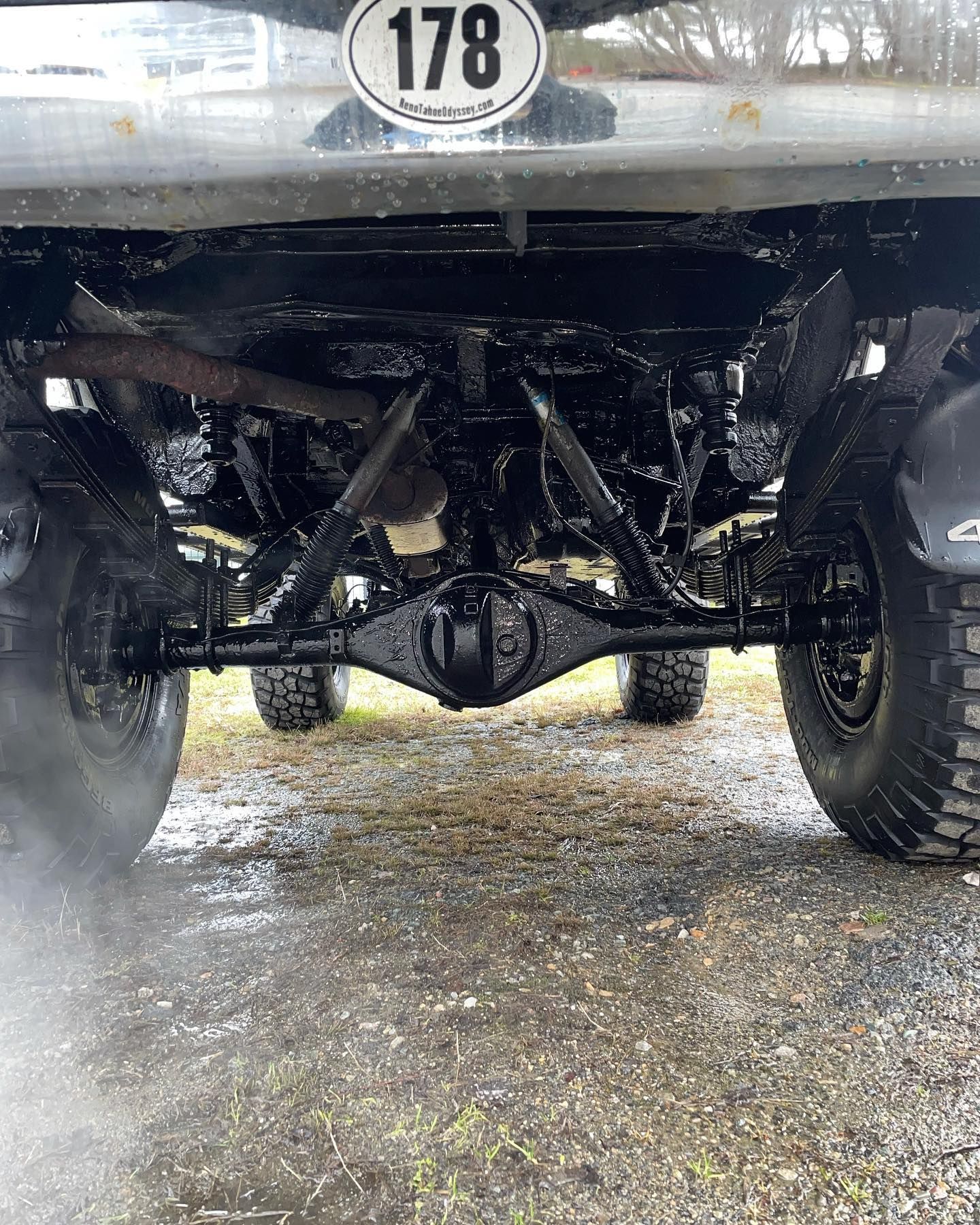
Undercoat for vehicles is a protective layer applied to the underbody and undercarriage to help reduce exposure to moisture, road salt, dirt, and other environmental contaminants. Oil-based products can penetrate seams and crevices, while wax-based products generally form a more defined surface barrier. The protection provided depends on the product, the vehicle's condition, and how the coating is applied. Some oil-based formulas can also provide lubrication for selected components and protection for certain plastic or vinyl surfaces.
Undercoating is primarily a preventive corrosion-control measure that works best when the underlying metal is sound or properly prepared. Existing loose rust and significant active corrosion should be addressed before application because a protective coating can conceal corrosion and allow it to continue underneath when the affected area has not been properly prepared.
Why Do Vehicles Need Undercoating?
Vehicle undercoating helps reduce underbody exposure to moisture, road salt, and other corrosive contaminants, particularly in areas where winter road treatments are common.
Understanding the pros and cons of vehicle undercoating starts with knowing what the coating is designed to protect against. Vehicles driven in areas where road salt and liquid de-icing materials are commonly used can experience repeated exposure to moisture and corrosive contaminants underneath the body.
Common benefits of undercoating include:
- Corrosion protection: Oil-based coatings can help displace moisture and create a protective layer between exposed metal and road salt, water, and other contaminants.
- Coverage in seams and crevices: Penetrating formulas can reach areas that are difficult to protect with a thicker surface coating alone.
- Protection of underbody components: Depending on the product and application, undercoating can help protect exposed frame sections, suspension components, and other undercarriage areas from environmental exposure.
- Lubrication and surface protection: Some oil-based formulas provide lubrication for selected moving components and can protect certain plastic or vinyl surfaces.
These benefits can make undercoating worthwhile for vehicles that regularly encounter salted roads, winter moisture, or other corrosive conditions. Vehicles with limited exposure may have less need for additional underbody protection, so factors such as driving environment, existing factory protection, and vehicle condition should be considered before application.
Undercoating is a preventive measure rather than a replacement for rust repair or routine maintenance. Regular washing and undercarriage inspections can help remove contaminants and identify corrosion before it becomes more extensive.
How Does the Undercoating Process Work?
A typical vehicle undercoating process includes undercarriage inspection, surface preparation, product application, and a final settling or curing period based on the selected product. Proper preparation helps the coating reach the intended areas and perform as designed.
Step 1: Inspect the Undercarriage
The undercarriage should be inspected for existing rust, damaged components, and areas that require preparation before coating. Common inspection points include frame rails, suspension components, brake lines, seams, wheel wells, and exhaust-related components.
For example,
rusted brake lines should be assessed before undercoating because corrosion affecting safety-critical components may require repair rather than simply adding a protective coating.
Step 2: Clean the Surface
The undercarriage should be cleaned to remove accumulated dirt, salt, oil, grease, loose rust, and other contaminants before the coating is applied. Proper surface preparation helps the selected product reach the intended areas and reduces the risk of trapping unwanted debris underneath the coating. Undercoating is intended to protect a prepared surface, not conceal significant active corrosion.
Step 3: Apply the Selected Undercoating
The selected undercoating is applied using equipment appropriate for the product and the areas being treated. Oil-based formulas can be directed into seams, cavities, and other difficult-to-reach areas, while wax-based products generally provide a more defined surface coating.
Application should avoid components where the product could interfere with braking, exhaust operation, electrical connections, belts, or other moving or heat-sensitive parts.
Step 4: Allow the Coating to Set
After application, the vehicle should remain undisturbed for the period recommended for the specific product. Oil-based coatings may remain flexible rather than forming a hard shell, while wax-based products generally form a firmer protective layer. The required settling or curing time depends on the product, application conditions, and environmental factors.
Expert Insight:
"The prep decides the result, because a coating is only as good as the surface underneath it. Cleaning out every crevice before spraying is what makes the barrier hold through a New England winter."
The New England Rust Defenders team, Service-Disabled Veteran-Owned undercoating specialists
What Are the Types of Vehicle Undercoating?
Vehicle undercoating products generally fall into several categories, with oil-based and wax-based formulas differing in how they spread, penetrate, and protect the underbody. Product selection should consider the vehicle's existing condition, climate, road-salt exposure, and the areas that need protection.
| Undercoating Type | How It Works | Typical Use |
|---|---|---|
| Oil-based | Penetrates seams, joints, and crevices while helping displace moisture | Vehicles exposed to moisture and road salt |
| Wax-based | Forms a more defined protective layer over prepared surfaces | Areas where a firmer surface coating is preferred |
| Clear oil-based | Provides oil-based protection without a dark visible coating | Vehicles where a less visible finish is preferred |
| Rodent-deterrent formula | Combines an undercoating product with ingredients intended to discourage rodent activity | Vehicles stored seasonally or in areas with rodent exposure |
Oil-Based Undercoating
Oil-based undercoating remains flexible and can penetrate seams, joints, and other areas where moisture and contaminants may collect. Its ability to move into narrow areas makes it a common choice for vehicles exposed to winter road salt and liquid de-icing materials.
Some oil-based products are designed to remain fluid or semi-fluid rather than forming a hard shell. This characteristic can make them suitable for ongoing corrosion prevention, but they may also require periodic inspection and reapplication.
Wax-Based Undercoating
Wax-based undercoating generally forms a thicker protective layer over the prepared surface and can provide longer-lasting surface coverage in appropriate applications. Unlike penetrating oil products, wax-based formulas are primarily designed to remain on the surface rather than flow into every seam or cavity.
Preparation is particularly important because dirt, loose rust, moisture, or other contaminants underneath a surface coating can affect how the product performs.
Clear and Specialty Undercoatings
Clear undercoatings are designed to provide corrosion protection without significantly changing the visible appearance of the treated surface. Specialty formulas may also include ingredients intended to deter rodents or provide other product-specific functions.
For example, New England Rust Defenders describes its NH Oil product line as including glossy black, clear, and rodent-deterrent formulas. These are product-specific characteristics and should not be assumed to apply to every oil-based undercoating.
How Much Does Undercoat for Vehicles Cost?
Vehicle undercoating costs vary based on vehicle size, product type, surface preparation, coverage, and the condition of the undercarriage. Published pricing can therefore provide a useful starting point, but the final cost may change when additional preparation or specialty products are required.
For example, New England Rust Defenders currently lists the following prices for oil-based vehicle undercoating:
| Vehicle type | Oil-based undercoating price |
|---|---|
| Sedan or crossover | $300 |
| Pickup truck or SUV | $350+ |
| 1-ton dump or flatbed truck | $400+ |
| Medium or heavy-duty truck | $400 to $600 |
| Fleet (5+ vehicles) | Inquire |
New England Rust Defenders also lists Boss Wax & Oil starting at $1,000 for qualifying new vehicles. The final price depends on preparation requirements, and the vehicle must be inspected before an accurate estimate can be provided. Pricing may change over time, so published rates should be treated as a starting point rather than a fixed cost.
How Often Should Vehicles Be Undercoated?
Undercoating maintenance depends on the product, driving conditions, road-salt exposure, and condition of the existing protective layer. Vehicles regularly driven on salted winter roads may benefit from annual inspection to determine whether additional coverage is needed.
Some oil-based undercoating products are designed for annual inspection and reapplication, particularly when vehicles are regularly exposed to road salt and winter moisture. A fresh application may be appropriate when the existing coating has worn away, coverage has become uneven, or the vehicle has experienced another season of heavy road-salt exposure. Inspecting the undercarriage before reapplication can also identify rust or component damage that should be addressed first.
Ready to Protect Your Undercarriage?
Choosing an undercoating depends on factors such as the vehicle's condition, exposure to road salt, product type, and existing underbody protection. If you need help evaluating these factors for your vehicle, New England Rust Defenders provides professional car undercoating in East Bridgewater, MA, with undercoating options for cars, trucks, and fleets.
Frequently Asked Questions
About New England Rust Defenders
The New England Rust Defenders Team is a Service-Disabled Veteran-Owned Certified vehicle-protection shop in East Bridgewater, MA. The team specializes in car rust repair, frame assessment, patch-panel work, and annual undercoating with NH Oil and Boss Wax & Oil.
Last updated: September 2026
You might also like