Rusted Brake Lines: Causes, Risks, And How To Prevent Them
Rusted brake lines are corroded metal tubes that carry pressurized brake fluid, and they can fail without warning, leading to sudden brake loss and serious safety risks.
This guide from
New England Rust Defenders explains
what rusted brake lines are, what causes them, why they are dangerous, and how vehicle owners, especially those driving in salt-heavy regions like Massachusetts, can prevent costly brake line failures.
Key Takeaways
- Rusted brake lines are metal tubes that corrode due to moisture and road chemicals.
- Road salt, liquid brine, aging coatings, and brake fluid contamination cause corrosion.
- Driving with rusted brake lines is dangerous and can lead to brake failure.
- Rust prevention works best when applied early.
- Brake line replacement is required once corrosion weakens the metal.
- Early action helps avoid costly repairs and safety risks.
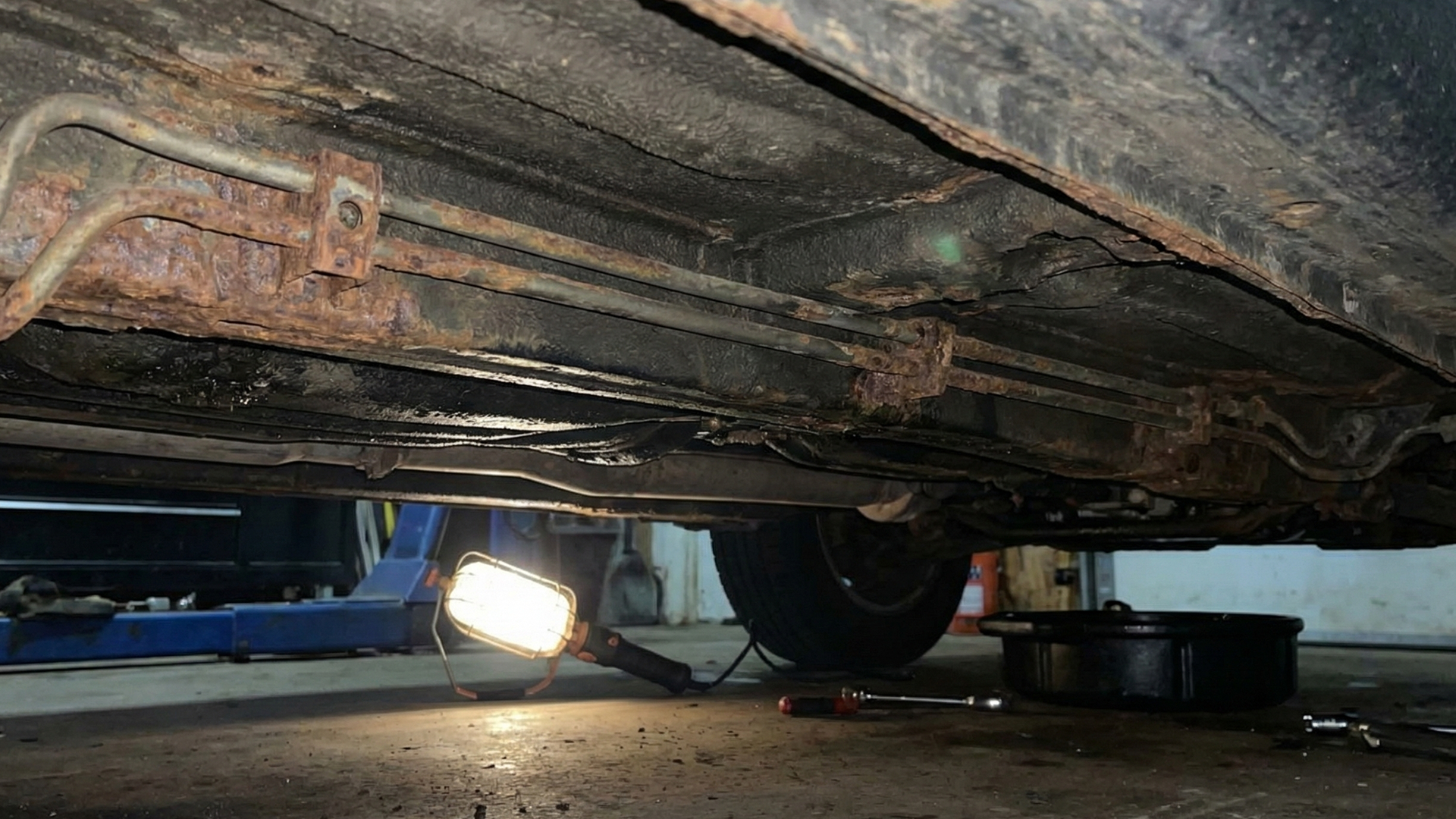
What Are Rusted Brake Lines?
Rusted brake lines are metal tubes that carry pressurized brake fluid from the master cylinder to the brakes. They become damaged when corrosion forms on the metal surface.
Long-term exposure to moisture, air, and road conditions causes metal oxidation. This oxidation leads to rust, which weakens the brake lines and increases the risk of brake failure.
Common Causes of Rusted Brake Lines in Massachusetts
Massachusetts vehicles face several causes of rust, including long winters, heavy road treatments, and constant moisture that speed up brake line corrosion.
Road Salt And Liquid Brine Exposure
The roads in Massachusetts tend to remain wet for long periods during winter. When snow melts, road salt and liquid brine stay on metal surfaces, constantly exposing brake lines to moisture and corrosive chemicals. These conditions accelerate oxidation and promote rust formation on brake lines.
Moisture, Dirt, And Undercarriage Buildup
Dirt and grime tend to collect water beneath the car, especially near the exposed brake lines. These areas tend to be wet for a longer period of time, allowing rust to develop into completely corroded brake lines.
Age, Wear, And Factory Coating Breakdown
Factory protective coatings often begin to degrade after 7–10 years. Once these coatings fail, the underlying metal becomes exposed, and brake lines corrode much more quickly.
Brake Fluid Contamination And Line Weakening
Brake fluid absorbs moisture over time, which is why many manufacturers recommend replacing it every 2–3 years. Moisture inside the brake system can cause corrosion from the inside out, weakening brake lines internally.
Rust Prevention And Brake Line Replacement: Which To Consider?
Rust prevention and brake line replacement serve very different purposes depending on the severity of corrosion.
| Things to compare | Rust Prevention | Brake Line Replacement |
|---|---|---|
| Purpose | Slows rust before damage begins | Fixes damage after rust has already weakened the metal |
| Timing | Works best when there are small spots of rust that appear early | Happens after the vehicle is heavily rusted |
| Protection Level | Uses protective coatings to reduce moisture exposure | Repairs damaged metal but doesn't prevent further rusting |
| Impact on Brake Lines | Slows down rusting in brake pipes and protects lines in good condition | Replaces damaged brake lines but does not prevent future corrosion without added protection |
In conclusion, choosing rust prevention early helps protect brake lines and avoid expensive repairs.
How To Prevent Rusted Brake Lines Before Damage Occurs
Here’s how you can keep brake lines free from rust to drive with confidence:
Regular Undercarriage Cleaning And Seasonal Inspections
Regular undercarriage cleaning removes salt residue from the vehicle’s underside, helping prevent rust from forming on brake lines. Seasonal inspections allow early rust spots to be identified before corrosion spreads.
Professional Rust Inhibitors And Oil Undercoating
Professional protective coatings create a moisture barrier, while oil-based treatments displace water from metal surfaces. These treatments are especially effective around brake lines and help slow corrosion caused by oxidation.
Warning Signs Of Rusted Brake Lines You Should Never Ignore
You should take action as soon as any of the following conditions are noticed:
- Small rust spots appear on the brake lines
- Early signs of corrosion become visible
- Moisture or salt buildup is present around the brake lines under the vehicle
- Routine maintenance inspections show increased vehicle corrosion
Addressing these warning signs early can help prevent brake line failure and costly repairs.
When Should You Take Action On Rusted Brake Lines?
The timing of your response plays a major role in preventing further brake line damage.
Take action EARLY when
- Small rust spots first appear on brake lines
- Light surface corrosion is visible, but the metal remains intact
- Preventive treatment can still slow damage before winter
IMMEDIATE action is needed when
- Corrosion has spread beyond surface rust
- Moisture and road salt have repeatedly reached brake lines
- Winter driving conditions are approaching or ongoing
Acting before winter helps limit corrosion and reduces the risk of brake line failure and costly repairs.
Professional Brake Line Rust Protection In East Bridgewater, MA
When long-term vehicle protection is a priority, professional car protection services can significantly reduce the risk of rusted brake lines. New England Rust Defenders helps protect vehicles by applying proven rust prevention treatments that reduce moisture exposure and slow corrosion before it causes damage.
Looking for reliable
car protection services in East Bridgewater, MA?
Contact New England Rust Defenders today to protect your vehicle from rust-related damage.
FAQs About Rusted Brake Lines
You might also like