Car Rust Repair Cost: 2026 Guide by Rust Type
Car rust repair cost can range from about $50 for minor surface rust to $4,000 or more for extensive structural corrosion. Costs vary based on rust type, severity, location, labor, and refinishing requirements. This guide breaks down typical costs by rust type, explains common repair methods, and covers the factors that can affect the final price.
Key Takeaways
- Surface rust is generally the least expensive type to repair, while penetrating and structural rust require more extensive labor and materials.
- Rust repair costs increase as corrosion progresses from the surface of the paint into the metal and, eventually, into structural components.
- The location of the rust, vehicle type, extent of corrosion, accessibility, and local labor rates can all affect the final repair cost.
- Early treatment can limit the amount of metal that needs to be repaired or replaced, but undercoating and other protective treatments do not repair existing structural rust.
- An inspection is important when rust has progressed beyond a small surface area, especially when corrosion affects frame components, suspension mounts, or other structural parts.
How Much Does Car Rust Repair Cost?
Car rust repair can cost from roughly $50 for a small surface spot to $4,000 or more for extensive structural corrosion. The actual price depends on how deeply the rust has affected the metal, where it is located, how much of the affected area must be removed or repaired, and the labor required for preparation and refinishing.
The table below provides general cost ranges for common rust-repair situations based on published professional repair-cost estimates. Actual estimates can vary substantially by vehicle, repair area, shop, and region.
| Rust Type | What It Looks Like | Typical Professional Cost* | Common Repair Approach |
|---|---|---|---|
| Surface rust | Bubbling paint, light orange discoloration | $50 to $300 | Sand, treat, prime, repaint |
| Scale Rust | Flaking, pitted, rough metal | $300 to $1,000 | Remove corrosion, treat, fill or patch, refinish |
| Penetrating rust | Holes through the metal | $1,000 to $2,500 | Cut out damaged metal, weld patch, refinish |
| Structural or frame rust | Corrosion affecting frame rails, subframes, or mounts | $1,200 to $4,000+ | Cut, weld, reinforce, and refinish as appropriate |
* These figures are general estimates rather than fixed market rates. The scope of work, vehicle construction, location of the damage, and local labor rates can change the final price.
Rust Repair Cost by Severity
| Rust Severity | Typical Repair Scope | Cost Trend |
|---|---|---|
| Surface | Corrosion removal, treatment, priming, and refinishing | Lower |
| Scale | Deeper corrosion removal, metal preparation, and refinishing | Moderate |
| Penetrating | Damaged metal removal, patch-panel welding, and refinishing | Higher |
| Structural | Cutting, welding, reinforcement, and structural assessment | Highest |
As corrosion progresses deeper into the metal, repair typically requires more labor-intensive preparation and metalwork. This is why identifying rust before it becomes penetrating or structural can affect the eventual repair scope.
What Does Surface Rust Repair Cost?
Surface rust repair typically costs about $50 to $300 when the corrosion is limited to the surface and has not significantly damaged the underlying metal. It may appear as light orange discoloration, small rust spots, or bubbling beneath damaged paint.
Common causes include road-salt exposure, moisture, scratches, stone chips, and other damage that allows water and oxygen to reach exposed metal. Understanding what causes rust on a car can also help vehicle owners identify corrosion risks before damage becomes more extensive.
A typical repair may involve:
- Cleaning and inspecting the affected area
- Sanding or otherwise removing surface corrosion
- Applying an appropriate rust treatment
- Priming the exposed metal
- Refinishing the repaired area
Because surface rust generally requires less metal repair and fewer labor-intensive steps than deeper corrosion, addressing it early can help prevent the repair from becoming more extensive.
What Does Scale and Penetrating Rust Repair Cost?
Scale rust generally costs more to repair than surface rust because corrosion has begun to affect the metal itself. Typical professional repair may range from about $300 to $1,000, depending on the size, location, and condition of the affected area. Scale rust often appears as flaking, pitting, rough metal, or layers of corrosion that have built up over time. Repair may involve removing heavily corroded material, treating the affected metal, filling or patching the area, and refinishing the surface.
Penetrating rust is more advanced because corrosion has created holes through the metal. Repair commonly costs about $1,000 to $2,500 per affected area, although extensive damage can cost more. Depending on the location and extent of the corrosion, a technician may need to cut away damaged metal, weld in a patch panel, and refinish the repaired section. These are common repair steps when addressing penetrating rust and other advanced forms of corrosion, as described in how to fix rust on a car.
Once corrosion has penetrated the metal, sanding and painting alone generally will not restore the damaged section. The amount of damaged metal that must be removed, the accessibility of the repair area, and the condition of the surrounding metal can all affect the final repair cost.
What Does Structural or Frame Rust Repair Cost?
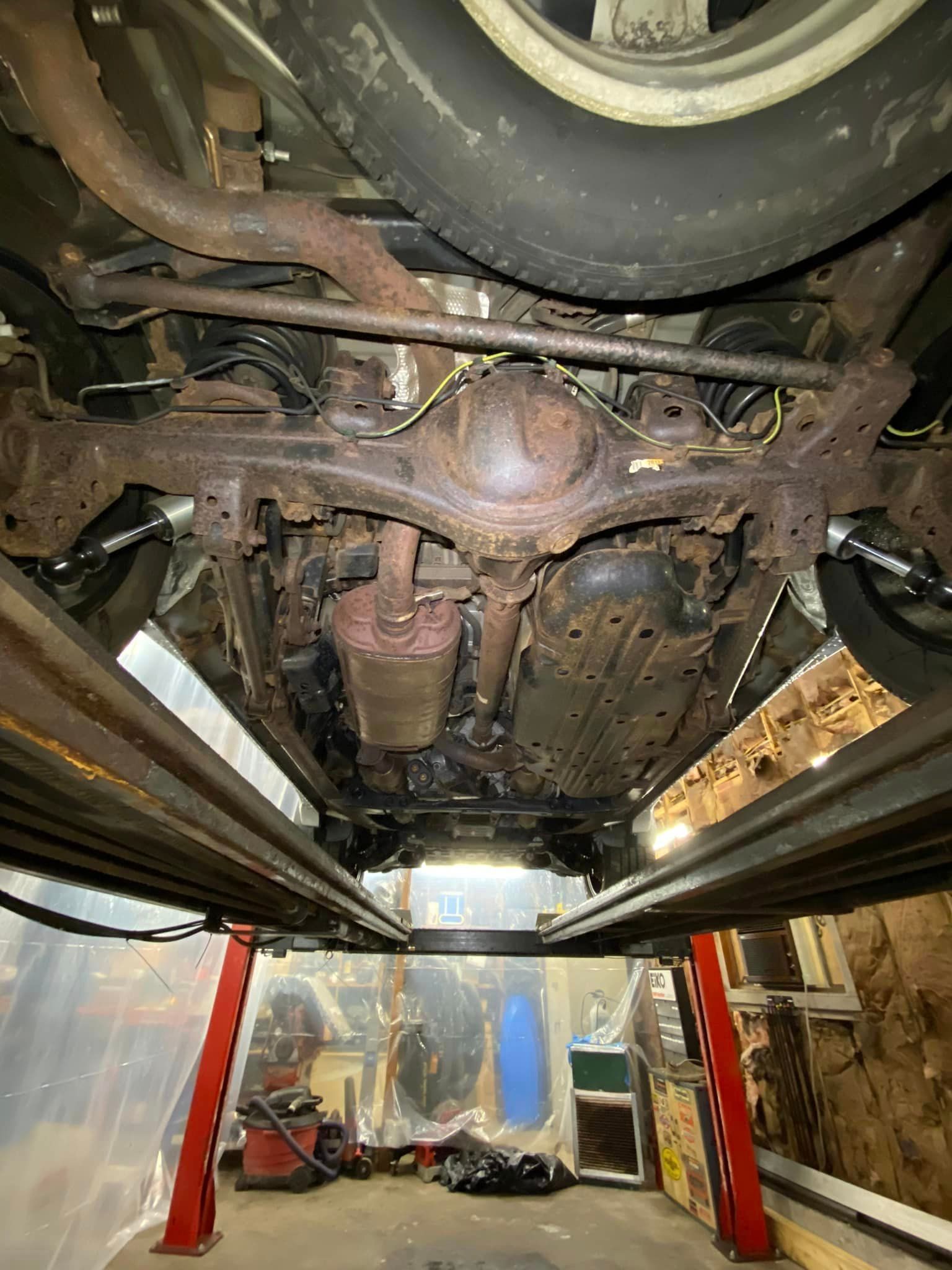
Structural or frame rust repair can cost roughly $1,200 to $4,000 or more when corrosion affects frame rails, subframes, suspension mounting points, or other load-bearing components. The cost depends on the extent of the corrosion, the amount of metal that must be removed or replaced, and the complexity of accessing and repairing the affected component.
These repairs can require extensive corrosion removal, cutting, welding, reinforcement, and refinishing. The repair method depends on which structural component is affected and how much of the metal has been compromised. More extensive corrosion can increase the amount of metalwork and labor required.
Structural corrosion should be evaluated before deciding whether repair is practical. The condition of the surrounding metal, extent of the damage, vehicle age, overall vehicle condition, and vehicle value can all affect the appropriate repair decision. Because corrosion in load-bearing components can affect structural integrity, frame rust should be assessed as a structural repair issue rather than treated as a cosmetic problem.
What Factors Change Car Rust Repair Cost?
Several factors can significantly affect the cost of repairing rust on a car:
| Cost Factor | Why It Matters |
|---|---|
| Rust severity | Deeper corrosion requires more extensive removal and repair |
| Location | Some areas are harder to access or involve structural components |
| Size of affected area | Larger areas require more labor and materials |
| Vehicle type | Construction, panel availability, and accessibility vary by vehicle |
| Repair method | Sanding and refinishing costs less than cutting and welding metal |
| Labor rates | Local shop rates directly affect the total labor cost |
| Paint and refinishing | Color matching and refinishing can add to the repair cost |
| Existing damage | Previous repairs, hidden corrosion, or damaged components can expand the scope |
Rust location and accessibility can have a major effect on the repair scope. A small rust spot on an easily accessible body panel may require relatively little work, while corrosion in a rocker panel, wheel arch, frame rail, or suspension mounting area can require more extensive preparation and repair.
The visible rust may also not represent the full extent of the corrosion. Rust can develop beneath paint, inside seams, or behind panels, so an inspection may reveal additional damage that was not apparent during an initial visual assessment. This hidden corrosion can increase the amount of metal removal, repair, and refinishing required.
How Can Rust Prevention Reduce Future Repair Costs?
Rust prevention can help reduce the likelihood that minor corrosion develops into more extensive damage, but preventive treatments are not a substitute for repairing existing rust. Cleaning, inspecting vulnerable areas, repairing damaged paint, and removing accumulated road salt can all form part of a broader corrosion-prevention routine.
Regular cleaning, prompt treatment of exposed metal, and inspection of areas where moisture and salt can accumulate can help limit continued corrosion. For vehicles regularly exposed to road salt and moisture, knowing how to stop rust from spreading on a car can help vehicle owners identify practical prevention steps.
Undercoating is another preventive option for vehicles exposed to moisture and road salt. New England Rust Defenders currently lists oil-based undercoating from $300, while Boss Wax & Oil starts at $1,000 for qualifying vehicles. Pricing can vary by vehicle and treatment, and preventive coating does not repair existing corrosion. Undercoating is intended to protect suitable surfaces from future exposure, while rust repair addresses corrosion that has already damaged the metal.
Is Rust Repair Worth the Cost?
Whether rust repair is financially practical depends on the vehicle's condition, the extent of corrosion, the estimated repair cost, and the vehicle's overall value. For limited surface or scale rust, repairing the affected area may help prevent the corrosion from progressing into more extensive metal damage. For penetrating or structural rust, the decision can be more complicated because repairs may require welding, replacement sections, or extensive refinishing.
The age of the vehicle alone does not determine whether rust repair makes sense. Its mechanical condition, structural condition, remaining service life, repair scope, and replacement cost should also be considered. A repair estimate can help vehicle owners compare the expected cost of addressing the corrosion with the cost of keeping or replacing the vehicle.
When Should You Get a Rust Assessment?
An inspection can help determine how far corrosion has progressed, particularly when rust extends beyond a small surface spot or appears around seams, wheel arches, rocker panels, or structural components. Photos may provide useful initial information, but an in-person inspection can reveal corrosion hidden beneath paint, inside seams, or behind panels.
New England Rust Defenders offers
rust assessment and repair in East Bridgewater, MA, including rust removal, patch-panel work, frame assessment, and protective coating options. The appropriate repair process depends on the condition of the vehicle and the extent of the corrosion identified during the assessment.
Frequently Asked Questions
About New England Rust Defenders
New England Rust Defenders is a Service-Disabled Veteran-Owned vehicle-protection business in East Bridgewater, MA. The company provides car rust repair, frame assessment, patch-panel work, and vehicle undercoating using NH Oil and Boss Wax & Oil.
Last updated: September 2026
You might also like